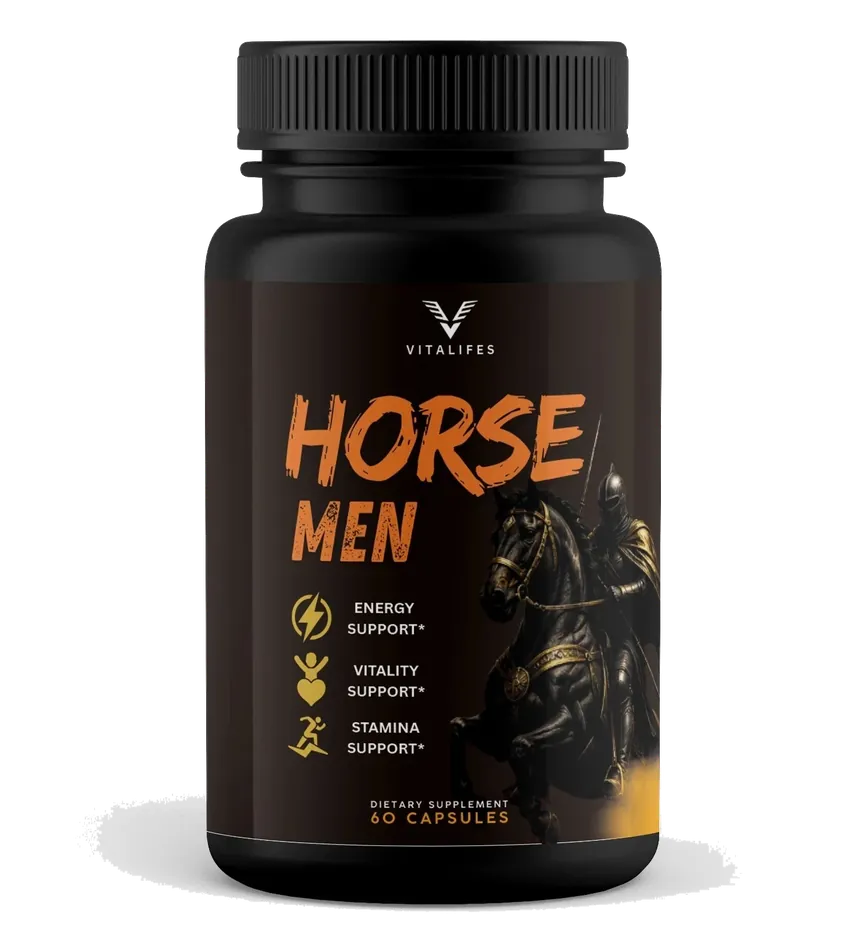
Horsemen Side Effects and Safety: What the Research Says
Horsemen carries several documented safety notes tied to its 9-ingredient blend: garcinia cambogia has rare liver-injury reports, bitter melon and cinnamon can lower blood sugar and interact with diabetes medication, tongkat ali may affect hormones, and raspberry ketone has no human safety data at all. This page lists every caution the label and outside research support.
What Does the Label Say About Safety?
The printed caution line is the legal minimum. Published research adds more detail below.
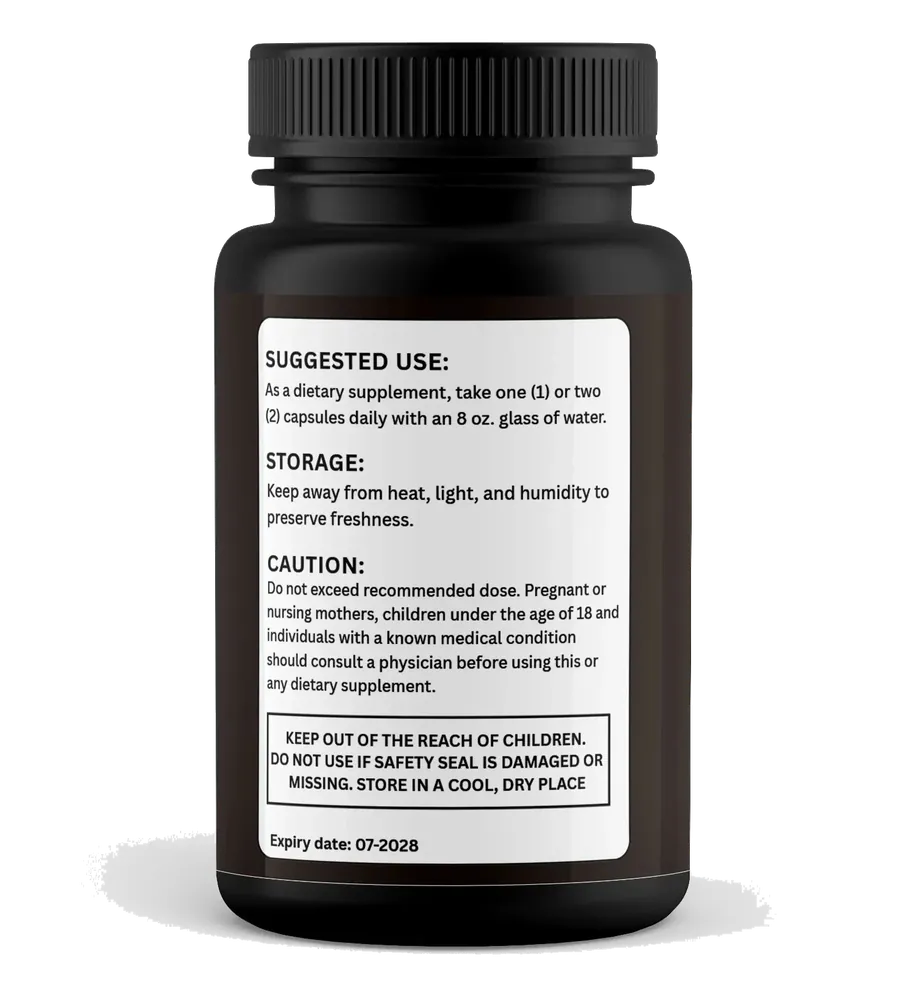
Horsemen's label carries its own caution text, printed on the Directions and Warnings panel: "Do not exceed recommended dose. Pregnant or nursing mothers, children under the age of 18 and individuals with a known medical condition should consult a physician before using this or any dietary supplement." That is the maker's own required language. This page goes further and lists what outside, published research says about each ingredient in the blend, including several notes the label itself does not spell out.
This page carries more cautions than most pages on this site, on purpose. Safety information should never be trimmed for length. For the full ingredient list, see our ingredients page; for what each one is meant to do, see our how it works page.
Garcinia Cambogia: What Is the Liver Risk?
Garcinia Cambogia is the ingredient with the clearest safety flag in this blend. Garcinia cambogia has been linked to rare but sometimes severe or fatal acute liver injury (NCCIH; LiverTox NCBI Bookshelf), and may interact with medications that affect the liver or serotonin levels; stop use and seek medical care if jaundice, dark urine, or unusual fatigue develop.
A meta-analysis of randomized trials also found more gastrointestinal side effects with garcinia than with placebo, alongside only a small weight-loss benefit (Onakpoya et al., 2011). Liver injury linked to garcinia is rare, but the case reports exist and are serious enough that both NCCIH and LiverTox, two US government safety references, publish warnings about it.
Bitter Melon and Cinnamon: What Is the Blood-Sugar Risk?
Bitter Melon and Cinnamon both lower blood sugar through real, active mechanisms, not a placebo effect, which is exactly why they need caution rather than dismissal.
Bitter melon has genuine blood-sugar-lowering activity and can cause hypoglycemia, including rare severe hypoglycemia, coma, and seizures (LiverTox), particularly when combined with insulin, sulfonylureas, metformin, or other diabetes medications; monitor blood glucose closely if using both, and avoid in pregnancy, as it is a potential abortifacient.
This product's Cinnamomum verum (Ceylon/true cinnamon) is naturally low in coumarin, unlike the Cassia cinnamon used in most cinnamon-glucose research and most grocery-store cinnamon; high coumarin intake (mainly from cassia, per Germany's BfR) has been linked to liver-enzyme elevation and rare liver injury in sensitive individuals, so verum is the lower-coumarin-risk choice -- though most human trial evidence on blood sugar comes from cassia, not verum.
Put together: if you take insulin, metformin, a sulfonylurea, or any other blood-sugar medication, adding Horsemen on top adds two more blood-sugar-lowering ingredients to your day. That is not a reason to panic, but it is a reason to talk to your prescribing doctor first and to watch for signs of low blood sugar, such as shakiness, sweating, or confusion, especially in the first weeks.
Tongkat Ali: What Is the Hormone Risk?
Tongkat Ali is the ingredient most likely to actually change something in your body, which is also why it carries its own caution.
Tongkat Ali is generally well tolerated in short clinical trials with no consistent liver-enzyme changes, but LiverTox rates it a possible, rare cause of liver injury based on one case report that was confounded by concurrent bodybuilding and possible undisclosed steroid use. Because it raises testosterone, use caution with hormone-sensitive conditions or concurrent androgen therapy.
Because it may raise testosterone, anyone with a hormone-sensitive condition, such as a history of prostate cancer, or anyone already using testosterone therapy or another androgen medication, should talk to a doctor before adding a supplement that may push in the same direction.
Horny Goat Weed: What Does the Case Report Show?
Horny Goat Weed's safety picture is mixed between reassuring and concerning, depending on the source.
LiverTox rates horny goat weed an unlikely cause of liver injury, but a 2025 case report documented severe muscle spasms with markedly elevated creatine kinase and creatinine after use of an unregulated online Epimedium supplement. Icariin, its main active compound, caused gastrointestinal side effects at high doses (1680 mg/day) in a human safety trial, and no controlled human efficacy trials exist for sexual function.
The gap between a well-tolerated human safety trial and a serious case report is a reminder that supplement quality and dose control matter. A trial-grade dose of icariin is not the same thing as an unregulated product bought online, and Horsemen does not publish how much horny goat weed extract, or how much icariin, its own blend actually contains.
Raspberry Ketone and Wild Yam: What's Left Unknown?
Raspberry Ketone carries the least safety data of any ingredient in this blend, which is itself the caution.
No human safety data exist for raspberry ketone at typical supplement doses; a 2015 European risk assessment (Regulatory Toxicology and Pharmacology) found that even low recommended doses (as little as 100 mg/day) exceed standard toxicological thresholds of concern, and flagged unconfirmed cardiotoxicity and reproductive/developmental risk signals from structural modeling, calling for further research before the compound can be considered established-safe.
No human safety data existing is different from a proven-safe result. It means no one has published a human trial confirming raspberry ketone is safe at typical supplement doses, only that a modeling-based risk review flagged it as a compound worth more study.
Wild Yam has a cleaner but thinner safety record: the one controlled human trial we found used a topical cream and reported no hormone-level changes versus placebo (Komesaroff et al., 2001). No published safety concerns specific to oral wild yam extract at supplement doses were found, though that also reflects how little research exists on it, not a confirmed clean bill of health.
How Do the 9 Ingredients Compare on Safety?
| Ingredient | Main safety concern | Who should be most careful |
|---|---|---|
| Garcinia Cambogia | Rare but serious liver injury reports | Anyone with liver disease or a history of liver problems |
| Bitter Melon | Can lower blood sugar; risk of hypoglycemia | Anyone on insulin, metformin, or a sulfonylurea |
| Cinnamon | Can lower blood sugar (verum type is low-coumarin) | Anyone on diabetes medication |
| Tongkat Ali | May raise testosterone; one confounded liver case report | Anyone with a hormone-sensitive condition or on androgen therapy |
| Horny Goat Weed | GI side effects at high icariin doses; one severe case report | Anyone taking an unregulated or high-dose version |
| Raspberry Ketone | No human safety data at all | Anyone wanting proven human safety data before use |
| Wild Yam | Thin research; no confirmed hormone effect | No specific flag found; data is limited either way |
| L-Lysine | No notable safety flag in the research we found | No specific flag found |
| Apple Cider Vinegar | GI upset possible at higher intakes | Anyone with acid reflux or a sensitive stomach |
Does Horsemen Interact With Any Medications?
Because more than one ingredient here can affect blood sugar or the liver, it matters what else you take alongside Horsemen. This table lists the interactions with the clearest published support; it is not a full drug-interaction database, and it does not replace a pharmacist or doctor's review of your specific medication list.
| If you take... | Watch for | Because of |
|---|---|---|
| Insulin, metformin, or a sulfonylurea | Low blood sugar (hypoglycemia) | Bitter melon and cinnamon both lower blood sugar |
| A statin or other liver-processed medication | Extra liver strain; talk to a doctor first | Garcinia cambogia carries rare liver-injury reports |
| Testosterone therapy or another androgen | Compounding hormone effects | Tongkat ali may raise testosterone on its own |
| A blood thinner (e.g., warfarin) | Discuss before starting; not directly studied here | Several herbal ingredients can affect clotting in general; ask a pharmacist |
| Another supplement with tongkat ali or icariin | Higher total intake than intended | Horsemen's own amounts of these are not published |
What Does the Label's Caution Text Say, Word for Word?
"Do not exceed recommended dose. Pregnant or nursing mothers, children under the age of 18 and individuals with a known medical condition should consult a physician before using this or any dietary supplement."
The boxed warning adds: "KEEP OUT OF THE REACH OF CHILDREN. DO NOT USE IF SAFETY SEAL IS DAMAGED OR MISSING. STORE IN A COOL, DRY PLACE"
- Do not exceed the labeled dose of 1 or 2 capsules a day.
- Do not use if the safety seal is damaged or missing when the bottle arrives.
- Store away from heat, light, and humidity, per the label's storage line.
- Talk to a physician first if you have a known medical condition, per the label's own caution.
Who Should Not Take Horsemen?
Beyond the label's own caution line, published research and the ingredient list itself point to a longer list of people who should not take Horsemen, or should not take it without medical advice first.
- Pregnant or nursing women. The label's caution line names this group directly, and this is formulated as a men's product.
- Anyone under 18. Named directly in the label's caution text.
- Anyone with a diagnosed liver condition, without a doctor's clearance, given garcinia's rare liver-injury reports.
- Anyone on insulin or another blood-sugar medication, without a doctor's clearance, given bitter melon and cinnamon's blood-sugar effects.
- Anyone with a hormone-sensitive condition, or on testosterone or another androgen therapy, without a doctor's clearance.
- Anyone with a known allergy to any of the 9 named ingredients, or to gelatin, since the capsule shell is gelatin-based.
What Should You Do if Something Feels Off?
None of the cautions on this page are a reason to panic, and none of them mean every ingredient is dangerous for every person. Most of the research cited here found these ingredients well tolerated for most people at the doses studied. The point of this page is narrower: naming the specific groups and specific medications where caution, not confidence, is the right starting point.
If you notice anything concerning after starting Horsemen, stop taking it and contact a doctor. For questions about your order, including a return, call the order desk at +1 (302) 200-3480. For more on what the label actually claims, see our benefits page, and for who this product fits best, see our who it's for page.
Side Effects: common questions
What is the most serious side effect linked to a Horsemen ingredient?
Rare but sometimes severe liver injury has been reported with garcinia cambogia supplements, per NCCIH and LiverTox. It is uncommon, but serious enough that anyone with liver disease should ask a doctor before use.
Can Horsemen affect blood sugar?
Yes. Bitter melon and cinnamon both have real blood-sugar-lowering activity. Combined with diabetes medication, this can raise the risk of hypoglycemia. Talk to a doctor if you take insulin or a similar drug.
Can Horsemen affect testosterone or hormones?
Tongkat ali, one of the 9 ingredients, has research showing testosterone increases at 100 to 600 mg a day. Horsemen does not publish how much tongkat ali is in its blend. Anyone on hormone therapy should ask a doctor first.
Is raspberry ketone safe?
No published human trial has tested raspberry ketone's safety at typical supplement doses. A 2015 risk review flagged even low doses as exceeding standard toxicological thresholds of concern, based on modeling, not human data.
Who should not take Horsemen at all?
Pregnant or nursing women, anyone under 18, and anyone with a known allergy to one of its 9 ingredients or to gelatin. Several other groups, including people on diabetes medication or hormone therapy, should talk to a doctor first rather than avoid it outright.
Does Horsemen contain a stimulant that could cause jitters?
No. There is no caffeine or other stimulant on the Supplement Facts panel.
What does the label's printed caution say?
"Do not exceed recommended dose. Pregnant or nursing mothers, children under the age of 18 and individuals with a known medical condition should consult a physician before using this or any dietary supplement." The boxed warning adds: "KEEP OUT OF THE REACH OF CHILDREN. DO NOT USE IF SAFETY SEAL IS DAMAGED OR MISSING. STORE IN A COOL, DRY PLACE"
Does Horsemen interact with medications for diabetes?
It may. Bitter melon and cinnamon can lower blood sugar, which can add to the effect of insulin, metformin, or a sulfonylurea. Ask your prescribing doctor before combining them.
Keep reading
Horsemen Ingredients: what's really inside the blend
The full 9-ingredient list, with a research-dose comparison table.
Read →Who Is Horsemen For?
A fit checklist covering who should try it, and who should ask a doctor first.
Read →Horsemen Testing and Quality
What the seals mean, and what's published versus not about lab testing.
Read →Order Horsemen from the authorized retailer
60 capsules per bottle, a 30-day supply at the label serving. Pack prices show on the secure listing before you pay, and every pack carries the same money-back guarantee. Questions first? Call +1 (302) 200-3480.