Men's Vitality Guide: Building Real Energy and Stamina
Vitality in adult men comes mostly from sleep, regular training, protein-rich food, and lower chronic stress, not from any single pill. Tongkat ali has the most human research among vitality ingredients, showing testosterone gains at 200-600 mg a day. Low energy that does not improve with better habits can have a medical cause, so persistent fatigue deserves a doctor's visit, not just a supplement.
What Actually Drives Energy and Stamina in Men?
Vitality is built from a handful of daily habits, not from one ingredient or one pill.
Vitality is not one thing. It is sleep quality, muscle strength, steady blood sugar, a working nervous system, and a mind that is not constantly stressed, all adding up to how much energy and stamina you feel day to day. Most men who feel low energy are not dealing with one broken part; they are dealing with several habits that slipped at once.
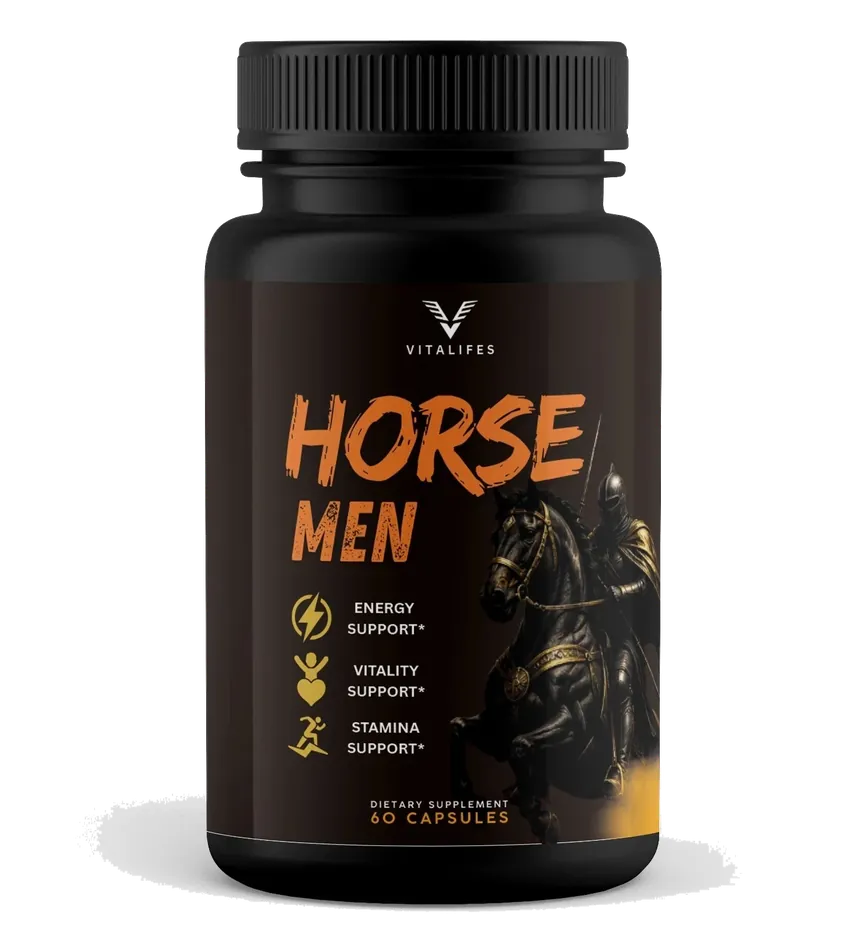
This guide walks through the habits with the strongest evidence behind them, in the order they usually pay off fastest: sleep, training, food, and stress. Then it covers when low energy is a medical question, not a habit question, and where a supplement like Horsemen realistically fits into that picture.
None of this is about a quick fix. Most men who report feeling noticeably better made two or three small changes at once and kept them going for a month or more, not one dramatic overnight swap. That is the pace this guide is written for.
Why Is Sleep the First Place to Look for More Energy?
Sleep is the single habit with the biggest effect on daily energy. Adults who consistently sleep fewer than 7 hours a night report more fatigue, worse mood, and slower reaction time than those who sleep 7 to 9 hours. Poor sleep also disrupts the hormone cycles, including testosterone, that run mostly during deep sleep, so a short night does not just make you tired, it can lower the hormone levels tied to vitality itself.
A few habits move sleep quality more than any supplement can: a consistent bedtime and wake time, even on weekends; a dark, cool bedroom; cutting caffeine after early afternoon; and limiting alcohol close to bedtime, since it disrupts deep sleep even when it feels relaxing at first.
How Much Training Does It Take to Feel More Energy?
Regular resistance training and cardio both raise baseline energy over weeks, not minutes. Strength training builds muscle that improves how your body handles blood sugar, and both strength and cardio training improve sleep quality, which loops back into more daytime energy. You do not need a serious program to see a benefit: two or three sessions a week, 20 to 40 minutes each, is enough to move the needle for most men who are currently doing little.
Start with two sessions a week
A brisk walk, a bodyweight routine, or a light gym session, twice weekly, is enough to begin. Consistency matters more than intensity in the first month.
Add a second kind of movement
Pair strength work with some cardio, like walking or cycling, so you build both muscle and heart and lung capacity, the two systems behind stamina.
Track how you feel, not just the scale
Energy, sleep quality, and mood usually shift before weight does. Notice those changes first; they are the real target.
How Does Diet Affect Daily Energy?
Food affects energy mainly through blood sugar stability and enough protein to support muscle and hormone production. Meals built around refined carbs and sugar cause a spike-and-crash pattern that feels like an energy dip an hour or two after eating. Meals with protein, fiber, and some healthy fat digest more slowly and keep energy steadier through the day.
Two of the ingredients in Horsemen, apple cider vinegar and cinnamon, are studied mainly for blood sugar control, not energy directly (Kondo et al., 2009; Akilen et al., 2012). That research supports the general idea that steadier blood sugar helps energy, but it does not mean a capsule replaces the effect of consistently better meals.
Does Stress Really Affect Physical Energy, Not Just Mood?
Chronic stress keeps cortisol elevated, and chronically high cortisol interferes with sleep, appetite, and testosterone production, three things vitality depends on. This is different from short bursts of stress, which are normal; the problem is stress that never really turns off, day after day, for weeks or months.
Simple, boring habits work better here than anything dramatic: a short walk without your phone, 5 to 10 minutes of slow breathing before bed, or just protecting one screen-free hour in the evening. None of these are exciting, but they are the habits with the most consistent research behind lowering daily stress load.
When Should Low Energy See a Doctor Instead of a Habit Change?
Persistent fatigue that does not improve after a few weeks of better sleep, training, and food can have a medical cause: low testosterone, thyroid problems, anemia, depression, sleep apnea, or a side effect of a medication you already take. A blood test and a conversation with your doctor can rule these in or out; a supplement cannot.
See a doctor if low energy comes with unexplained weight change, chest pain, shortness of breath, loud snoring with daytime sleepiness, or a mood change that lasts more than two weeks. These are signs worth checking directly, not habits to try to outlast on your own.
What Does the Research Actually Show for Tongkat Ali?
A supplement is realistically a small addition on top of the habits above, not a replacement for them. Among the ingredients used in men's vitality formulas, tongkat ali (Eurycoma longifolia) carries the most human research. A 2022 meta-analysis of clinical trials found it raised serum testosterone, especially in men who started with low levels, across doses of roughly 100 to 600 mg a day (Leisegang et al., 2022). A 2-week randomized trial in healthy young men found 600 mg a day raised testosterone and free testosterone in a dose-related way (Chan et al., 2021), and a 6-month trial pairing 200 mg a day with exercise saw improved erectile function and higher testosterone in about half the men (Leitão et al., 2021).
Horsemen lists Tongkat Ali Extract as one of 9 ingredients inside a shared 1,000 mg blend, alongside ingredients more commonly used for weight or blood sugar, like garcinia cambogia and raspberry ketones. The label does not say how many milligrams of tongkat ali are actually inside, so no one can confirm it reaches a research-level dose. We break down every ingredient on our ingredients page, and the dose math on our tongkat ali dose guide.
Habit vs. Ingredient: Where Does the Evidence Point?
| Habit or ingredient | Typical evidence strength | What it takes |
|---|---|---|
| Consistent sleep (7-9 hours) | Strong | A fixed bedtime and wake time, most nights |
| Regular strength or cardio training | Strong | 2-3 sessions a week, 20-40 minutes |
| Protein and fiber-forward meals | Moderate to strong | Swapping refined carbs for whole foods |
| Daily stress-lowering habit | Moderate | 5-10 minutes, most days, done consistently |
| Tongkat ali | Moderate | 200-600 mg/day standardized root extract, at a known dose |
Where Does a Supplement Realistically Fit In?
If you already sleep well, train a few times a week, eat reasonably, and manage stress, a supplement like Horsemen is a small addition on top of a foundation that is already doing most of the work. If those habits are still shaky, fixing them first will likely move the needle more than any capsule, and it costs nothing to try. See our who it is for page for a plainer look at whether Horsemen fits your situation, and our buyer's checklist if you are comparing options.
Whatever you choose, judge it over weeks, not days, and against the habits above, not instead of them. A bottle that arrives while sleep and training stay neglected is unlikely to feel like much of anything.
Men's Vitality Guide: common questions
What is the single most important habit for men's energy?
Sleep. Consistent 7-9 hour sleep affects mood, reaction time, and the hormone cycles, including testosterone, that vitality depends on more than any other daily habit.
Can a supplement replace sleep, training, and diet for energy?
No. Supplements are a small addition on top of those habits, not a substitute for them. The strongest evidence in this guide supports the habits, not any single ingredient.
How much tongkat ali do trials use for energy or testosterone?
Roughly 100 to 600 mg a day across published trials, with a 2-week study at 600 mg a day and a 6-month study at 200 mg a day both showing testosterone changes.
When is low energy a sign of a medical problem?
When it does not improve after a few weeks of better sleep, training, and food, or comes with weight change, chest pain, shortness of breath, loud snoring, or a lasting mood change.
Does stress really cause physical fatigue, not just feeling tired mentally?
Yes. Chronic stress keeps cortisol elevated, which can disrupt sleep, appetite, and testosterone production, all of which feed into physical energy and stamina.
Does Horsemen contain tongkat ali at a research dose?
It lists Tongkat Ali Extract, but the label does not publish the milligram amount inside its shared 1,000 mg blend, so a research-level dose cannot be confirmed. See our ingredients page for the full breakdown.
How fast do lifestyle changes affect energy compared with a supplement?
Sleep and stress changes can shift energy within days to a couple of weeks. Training and diet changes usually take 3-6 weeks to show a clear difference.
Keep reading
Choosing a Men's Vitality Supplement
A buyer's checklist: disclosed doses, third-party testing, price per day, and red flags to skip.
Read →Horsemen Ingredients: what's really inside the blend
Every ingredient on the label, the research behind each one, and what amounts stay unpublished.
Read →Who Is Horsemen For?
A plain look at who tends to reach for this kind of supplement, and who should skip it.
Read →Order Horsemen from the authorized retailer
60 capsules per bottle, a 30-day supply at the label serving. Pack prices show on the secure listing before you pay, and every pack carries the same money-back guarantee. Questions first? Call +1 (302) 200-3480.